Everything About Shipping Containers: Exploring Their Flexibility and Practical Applications
Delivering containers have transcended their initial objective of cargo transport, ending up being multifunctional properties in numerous sectors. Their modular style enables ingenious applications, from cost effective real estate solutions to mobile offices. Furthermore, they work as pop-up retail stores and assistance lasting practices. This improvement questions regarding their possible effect on urban growth and community involvement. What various other opportunities might emerge from these adaptable structures?
The Development of Shipping Containers: From Transportation to Makeover
As the global economic climate broadened in the mid-20th century, delivering containers became a cutting edge service to the ineffectiveness of traditional cargo transport. These standardized metal boxes enabled seamless loading and unloading, greatly reducing the moment and labor entailed in Shipping goods. The introduction of containers changed ports right into reliable hubs of worldwide profession, promoting the surge of global Shipping networks.
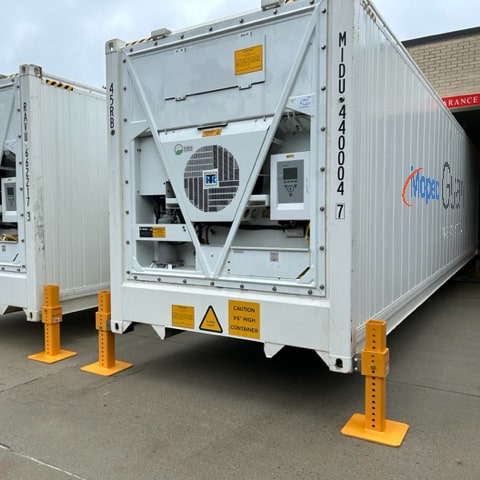
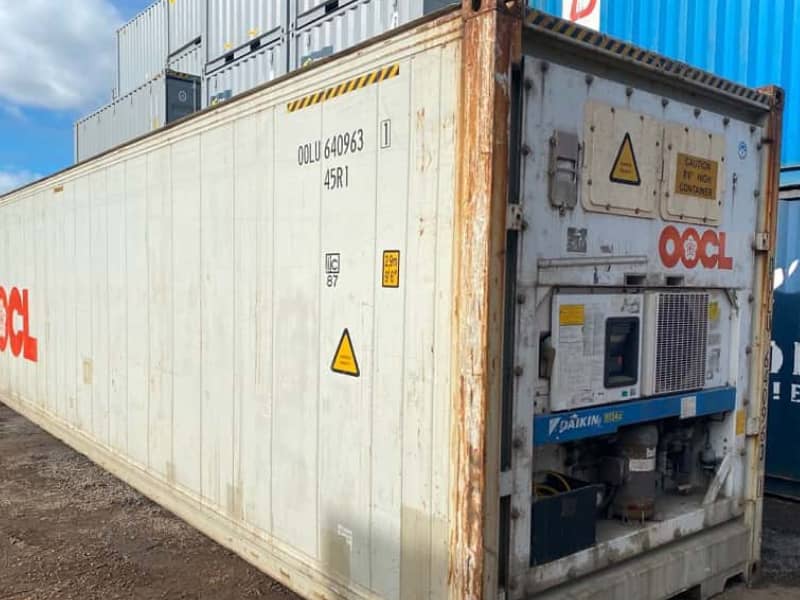
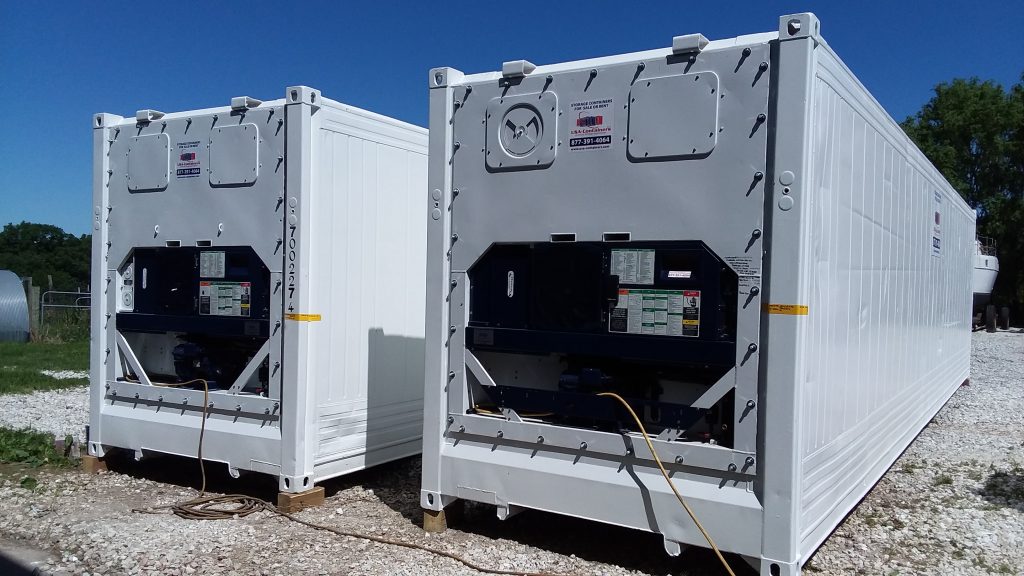
Over time, the style and innovation of Shipping containers progressed, causing advancements such as cooled containers for perishable items and specialized containers for harmful products. The convenience of Shipping containers expanded beyond transport, motivating brand-new applications in different markets. They became integral to logistics, fostering just-in-time production and worldwide supply chains.
This evolution noted a change in exactly how goods were relocated and kept, setting the phase for further expedition of their potential in varied industries, consisting of building and retail.
Innovative Real Estate Solutions: Container Homes
An expanding number of architects and builders are transforming to delivering containers as a practical remedy for cost effective and sustainable housing. These frameworks provide an one-of-a-kind combination of toughness and flexibility, making them an eye-catching alternative for various property demands. Shipping containers can be transformed right into comfy homes, environment-friendly sanctuaries, or also multi-unit homes, permitting innovative designs that enhance room and resources.
As urbanization proceeds to increase, container homes offer an opportunity to attend to real estate shortages while promoting lasting living practices. This ingenious strategy challenges standard concepts of home building and construction and leads the way for a brand-new era in housing options.
Mobile Offices: The Rise of Container Workspaces
With the boosting demand for versatile workplace, mobile workplaces constructed from shipping containers are getting appeal amongst companies seeking cost-effective and adaptable options. These repurposed containers supply an unique combination of longevity and movement, making them suitable for firms that call for on-site or short-term workspaces. The modular design allows for easy customization, enabling companies to tailor the indoor format to their details demands, whether for joint job, personal offices, or meeting areas.
Shipping container workplaces can be promptly released to numerous areas, enhancing operations for building sites, occasions, or remote jobs. Their environment-friendly features likewise attract organizations concentrated on sustainability, as they advertise recycling and efficient use of products. As remote job remains to develop, the adaptability of mobile workplaces made from delivering containers settings them as a functional service for modern-day business obstacles, improving productivity while decreasing overhead prices.
Retail Transformation: Shipping Containers as Pop-Up Shops
Shipping containers are transforming the retail landscape by working as ingenious pop-up shops that catch consumer interest and enhance brand name visibility. Their modular style allows for simple customization, making them suitable for different retail ideas, from fashion boutiques to artisanal food markets. used 40ft cold storage containers for sale. Merchants gain from the adaptability of Shipping containers, enabling them to set up short-term areas in high-traffic areas, celebrations, or city spaces where traditional stores might be impractical
These pop-up shops not just provide a special purchasing experience but likewise foster area engagement by drawing in diverse clientele. Brands can experiment with new markets without the long-lasting dedication of an irreversible lease. On top of that, the striking aesthetic of repurposed containers often attracts interested consumers, creating a buzz around the brand. As the retail environment remains to advance, delivering containers stick out as a vibrant remedy for businesses wanting to innovate and link with customers.
Sustainable Practices: Eco-Friendly Uses for Shipping Containers
Repurposing Shipping containers prolongs beyond retail innovation, offering a lasting service for different environmentally friendly applications. These containers can be transformed right into functional rooms such as homes, workplaces, and recreation center, considerably reducing the demand for brand-new building products. By using existing structures, the carbon impact associated with typical building methods lessens.
In addition, shipping containers can work as urban yards or greenhouses, promoting regional farming and improving food security. Their modular style permits simple piling and plan, developing versatile areas for community efforts, such as farmers' markets or instructional workshops.
Additionally, containers can be outfitted with renewable resource sources, such as solar panels, to develop off-grid facilities. This adaptability not just optimizes land usage but likewise urges lasting living practices. Generally, the eco-friendly applications of Shipping containers highlight their potential to contribute favorably to ecological sustainability while addressing the growing need for cutting-edge, budget friendly spaces.
Often Asked Inquiries
What Are the Capacities of Criterion Shipping Containers?
The basic Shipping container dimensions normally consist of 20 feet in size, 8 feet in size, and 8.5 feet in elevation for the routine version, while a 40-foot version maintains the same width and height.
Exactly how Much Does a Shipping Container Commonly Price?
The typical cost of a shipping container varies considerably, typically ranging from $2,000 to $5,000 depending upon condition, size, and market need. Rates might change based upon place and extra functions required by buyers.
Can I Customize a Delivery Container for My Demands?
The opportunity of tailoring a delivery pop over to this site container exists, enabling people to customize measurements, functions, and performance according to details requirements - used 40ft cold storage containers for sale. This flexibility makes Shipping containers suitable for various applications, enhancing their total utility and charm
What Is the Lifespan of a Delivery Container?
Are Shipping Containers Safe for Food Storage?
The security of Shipping containers for food storage depends on their problem and products. Appropriately cleansed and kept containers can be secure, yet possible chemical residues and pollutants have to be extensively dealt with prior to usage.
Over time, the design and technology of Shipping containers evolved, leading to innovations such as chilled containers for perishable products and specialized containers for dangerous materials. The convenience of Shipping containers prolonged beyond transport, motivating new applications in numerous markets. Repurposing Shipping containers extends past retail advancement, providing a lasting option for various eco-friendly applications. The regular expense of a delivery container varies considerably, generally varying from $2,000 to $5,000 depending on problem, market, and size useful site need. The opportunity of personalizing a shipping container exists, allowing individuals to customize measurements, features, and functionality according to specific needs.
Comments on “Buy Used 40 Ft High Cube Refrigerated Containers for industrial expansion”